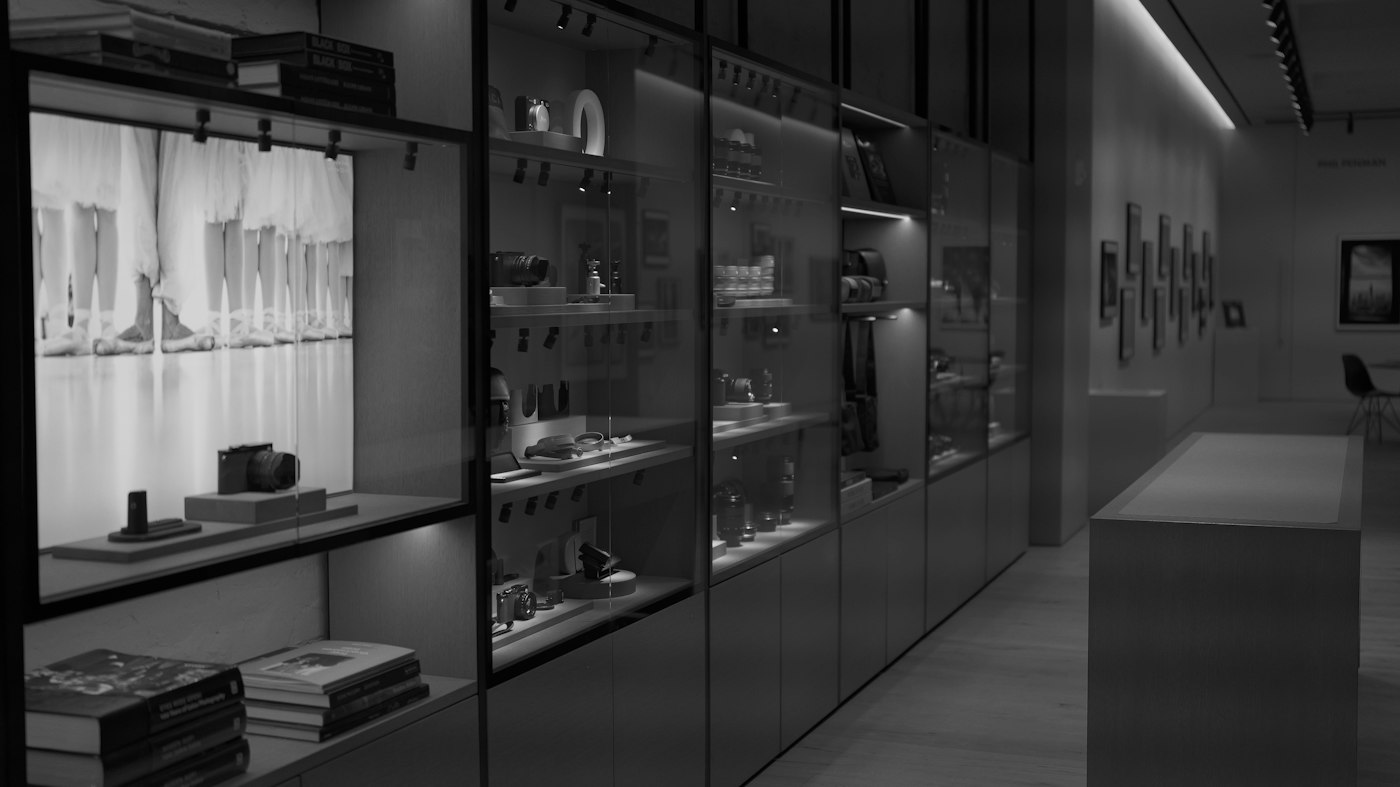
Case glazing and the surrounding gallery lighting affect what the visitor sees; no conservation suitability is inferred. Photo: Sal Media / Unsplash · License.
Build the case-lighting enquiry around the institution’s approved brief
Museum showcase lighting integration requires a source specification that respects responsibilities beyond the furniture contract. The institution determines the object-related lighting requirements, while the case team coordinates installation, access and the physical light assembly. The purchasing task is to bring those inputs together without converting a general product description into a conservation claim. A museum lighting enquiry should identify the object brief, the people who approve the scene and the limits of the lighting supplier’s scope. From there, candidate assemblies can be evaluated within the actual case and documented for the exhibition team.
Case perimeter and separated lighting spaces
Some case concepts place the light assembly in a space distinct from the object volume. Show that arrangement on the section, including glass or other optical boundaries between source and object. Clarify which components can be reached from outside the display area and which interventions fall under the institution’s access procedure.
Vertical cases and layered displays
Tall objects, labels and internal shelves can create competing lighting needs within one enclosure. Identify the agreed object and label positions before allocating sections or control zones. Where positions change between exhibitions, document the adjustment mechanism, display case lighting controls and approvals needed before a new scene enters use.
Labels and interpretation elements
Lighting a label or interpretation panel is a separate task from illuminating the nearby object. Coordinate spill, reflections and visitor viewing positions with the exhibition designer. If the label assembly is integrated into the case furniture, show its circuit and service method so changes to interpretive content do not unintentionally alter the object-lighting configuration.
See the installation behind the specification.
Each view addresses a named lighting detail. Illustrations show the design intent; select the actual components against the drawing and a representative sample.
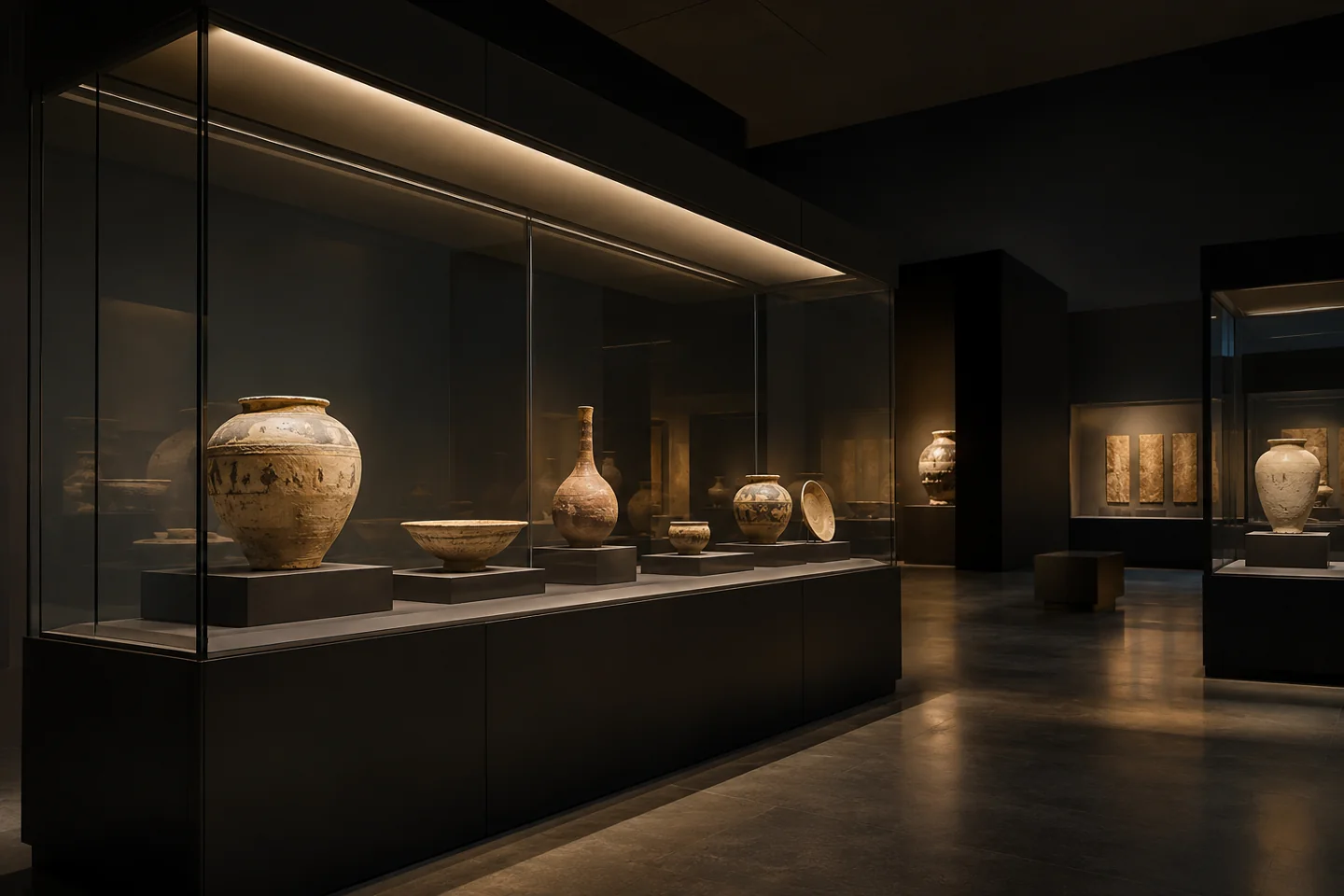
AI-generated application illustration; not a completed BEXLIGHT project or measured performance. Component interfaces are illustrative.
Museum Grade Anti-Glare Lighting
Set conservation and glare requirements with the collection team rather than inferring them from an LED label.
Photographs support the adjacent selection decisions. The exact delivered components and their performance need their own drawings, documents and sample review.
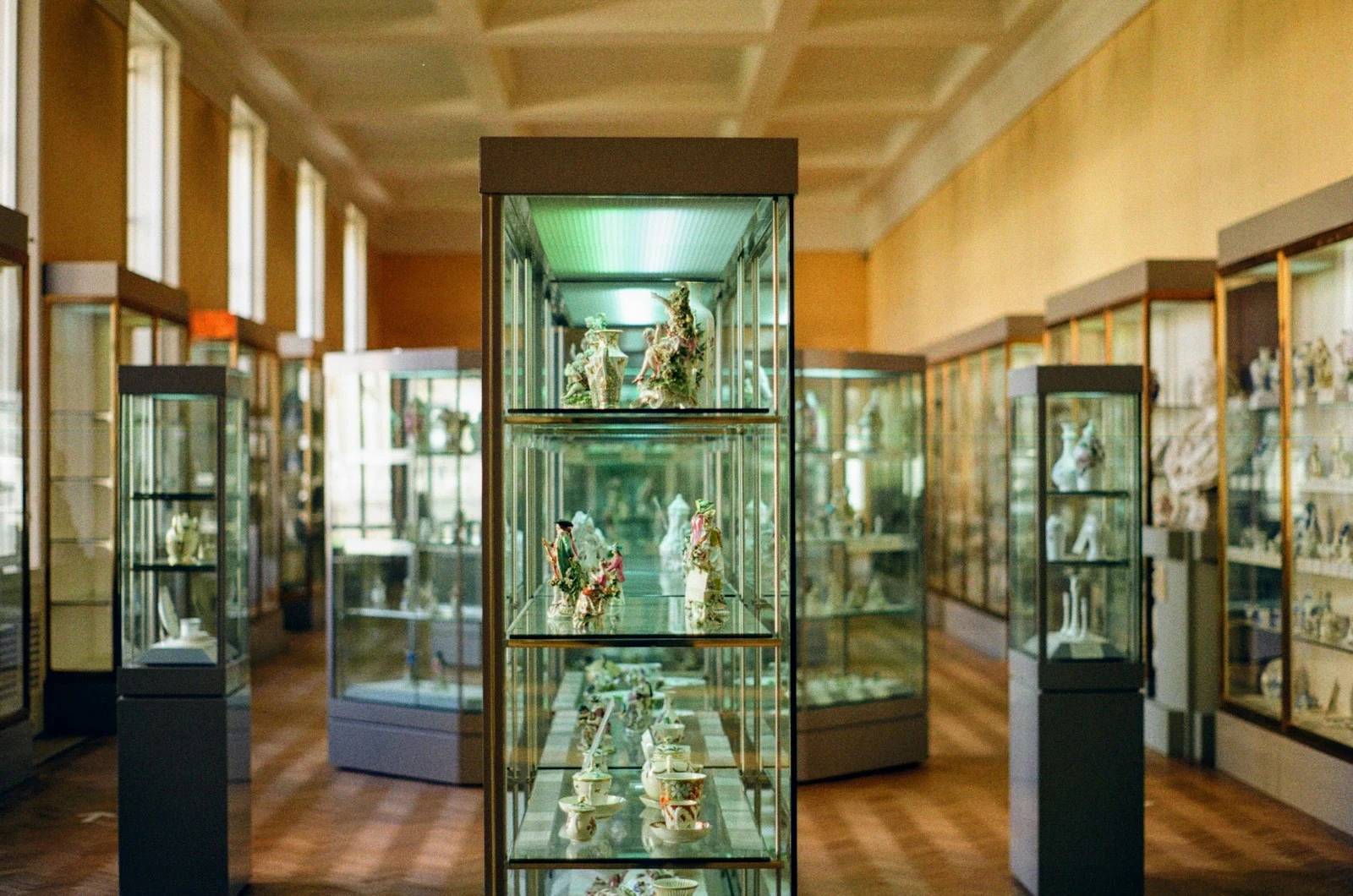
External reference photograph; not a BEXLIGHT project. Light output, CCT and component identities are not established by this photograph. Display-size reproduction. Photo: Lewis Westwood Flood · License.
Review the case from the visitor’s position
The external museum photograph shows the display and viewing space. Object exposure, spectral output and reflected glare need a separate assessment for the selected case.
A source that fits the finished detail.
Compare the light line, assembly envelope and control requirements together. The routes below are starting points for a specification discussion.
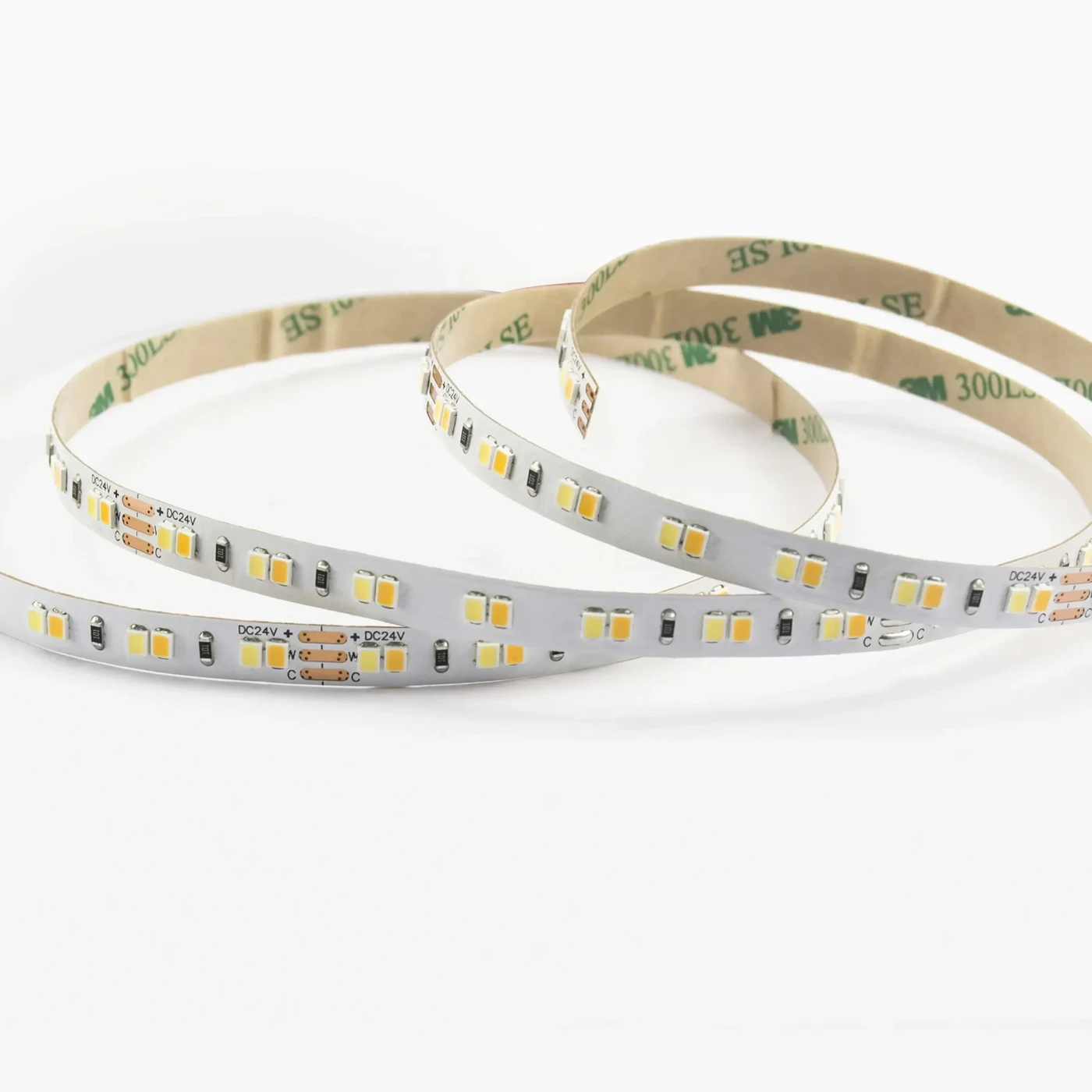
Catalogue reference SR005-140P2835IP20TW; final configuration requires review.
For a defined case optical assembly reviewed against the object brief
Consider SMD candidates when their exact documentation and assembled controllability can be assessed against the institution’s requirements. Review the source within the specified case optics and retain the selected configuration for the responsible specialist’s evaluation.
Neither an LED construction label nor a general product report establishes conservation suitability. The institution must approve the actual object-lighting conditions.
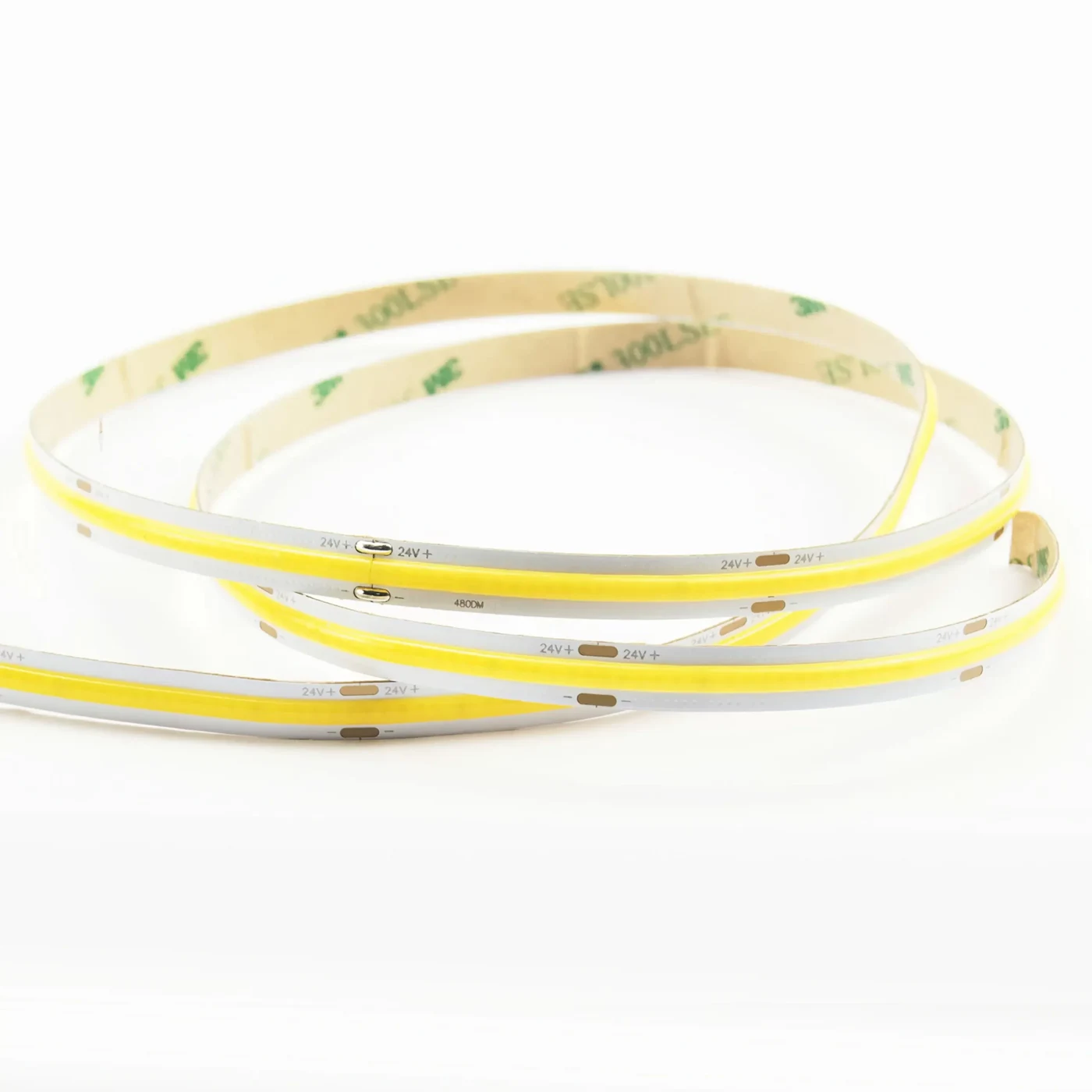
Catalogue reference SR005-320PCOBIP20; final configuration requires review.
For compact case details where source visibility needs review
Consider COB where a shallow mounting detail or nearby glazing makes the emitter’s appearance relevant. Treat the assembled visual review and the institution’s object-related requirements as parallel inputs before selecting the candidate for the case.
A smooth-looking line does not indicate an acceptable exposure or spectrum. Request exact-model information needed by the institution’s designated specialist.
Use the fixture drawing, component documentation and a representative assembly to turn the visual brief into a repeatable specification.
01
Get the conservation limits from the responsible specialist
Record the object groups, permitted illuminance, exposure schedule and any spectral restrictions specified by the institution or conservator. Assign responsibility for approval and measurement. Do not transfer numerical limits from another exhibition or assume an LED source is automatically suitable for light-sensitive objects.
02
Design a controllable case assembly
Map the illuminated zones and possible reflections through the case glass. Decide how the source position and control range allow the approved scene to be established. Keep all source and driver identities with the case drawing. The final setting must be measured at the agreed object positions, not inferred from a strip data sheet.
03
Separate access from display security
Coordinate driver location, cable entries and service access with the case fabricator and exhibition team. Demonstrate how the light assembly can be replaced under the institution’s handling procedure. The design should identify which tasks require opening the display volume so that service operations can be planned.
04
Record the accepted exhibition scene
Keep measurement locations, instrument information, settings, source configuration and the approved operating schedule in the handover pack. If the object group, source or optics change, return the affected decision to the responsible specialist. This page provides a coordination checklist, not a conservation certification or a claim of completed museum installations.
From an initial brief to a controlled assembly.
Send the case sections, curator’s lighting brief, source access requirements and case quantities. If conservation requirements are not yet available, that remains an open project input rather than a value to estimate in a quotation.
Decision
What to check
Record or boundary
Object protection
Institution-approved limits and exposure schedule
Conservator or designated specialist
Case lighting
Measured scene at defined object positions
Lighting design team
Service coordination
Approved access and replacement procedure
Fabricator and institution
Institution-approved object brief
Case and optical-boundary sections
Exhibition adjustment requirements
Authorised scene approval contact
Service access procedure
FREQUENTLY ASKED QUESTIONS
Application FAQ
Selection, integration and repeat-supply questions for this application.
01Can a source supplier decide the lighting limits for the collection?
The institution or its designated conservation specialist should supply and approve the object-related limits and operating brief. A source supplier can provide candidate product information within its scope, but that does not replace knowledge of the objects or exhibition plan. Keep unresolved institution inputs visible in the enquiry rather than estimating them for quotation.
02What should we request when the source must remain outside the display volume?
Provide a case section that identifies the optical boundary, mounting compartment and permitted cable entries. Ask the supplier to define the complete assembly envelope and the information available for the proposed configuration. The fabricator and institution can then review installation and service implications together with the finished case’s measured lighting scene.
03How do we procure lighting for cases reused between exhibitions?
Describe the anticipated adjustment of objects, shelves and labels and define which parts of the assembly can change. Retain the source identity and control arrangement in the exhibition case lighting specification, with each exhibition’s approved settings and operating schedule recorded separately. A previous exhibition approval should not be assumed to cover a new object group.
04Which records belong in the museum handover pack?
Include the assembled source identity, mounting and access drawings, connection information and relevant supplier documentation. Add the institution-approved scene record and its measurement locations through the responsible project team. Make replacement dependencies explicit, including any requirement to return a changed source or optical arrangement for specialist review before the case is used again.
Share the fixture or route drawing, quantities, target market and the decisions still open. Include your company and whether you are preparing a sample, a project or repeat production.