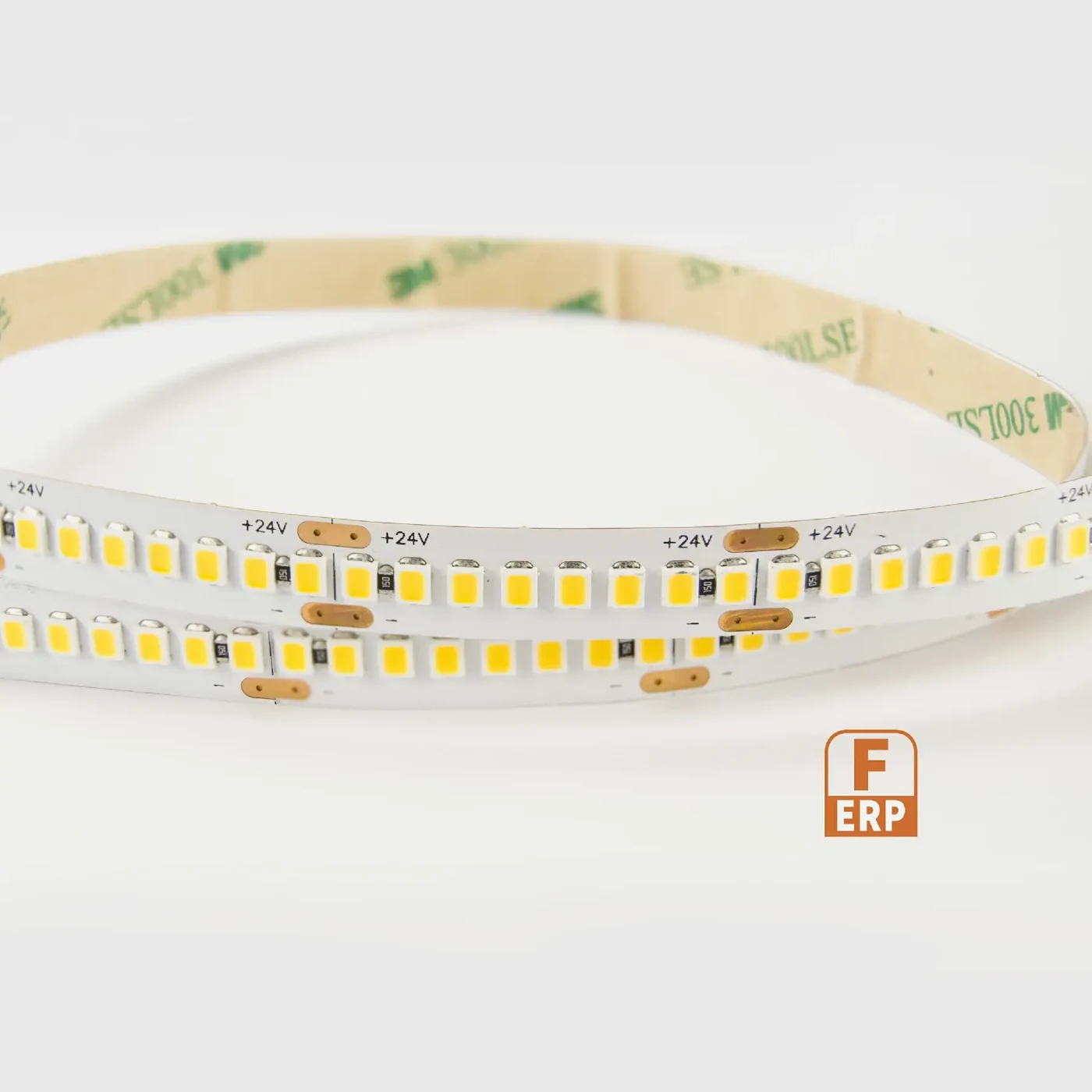
Inspect the actual light-source construction
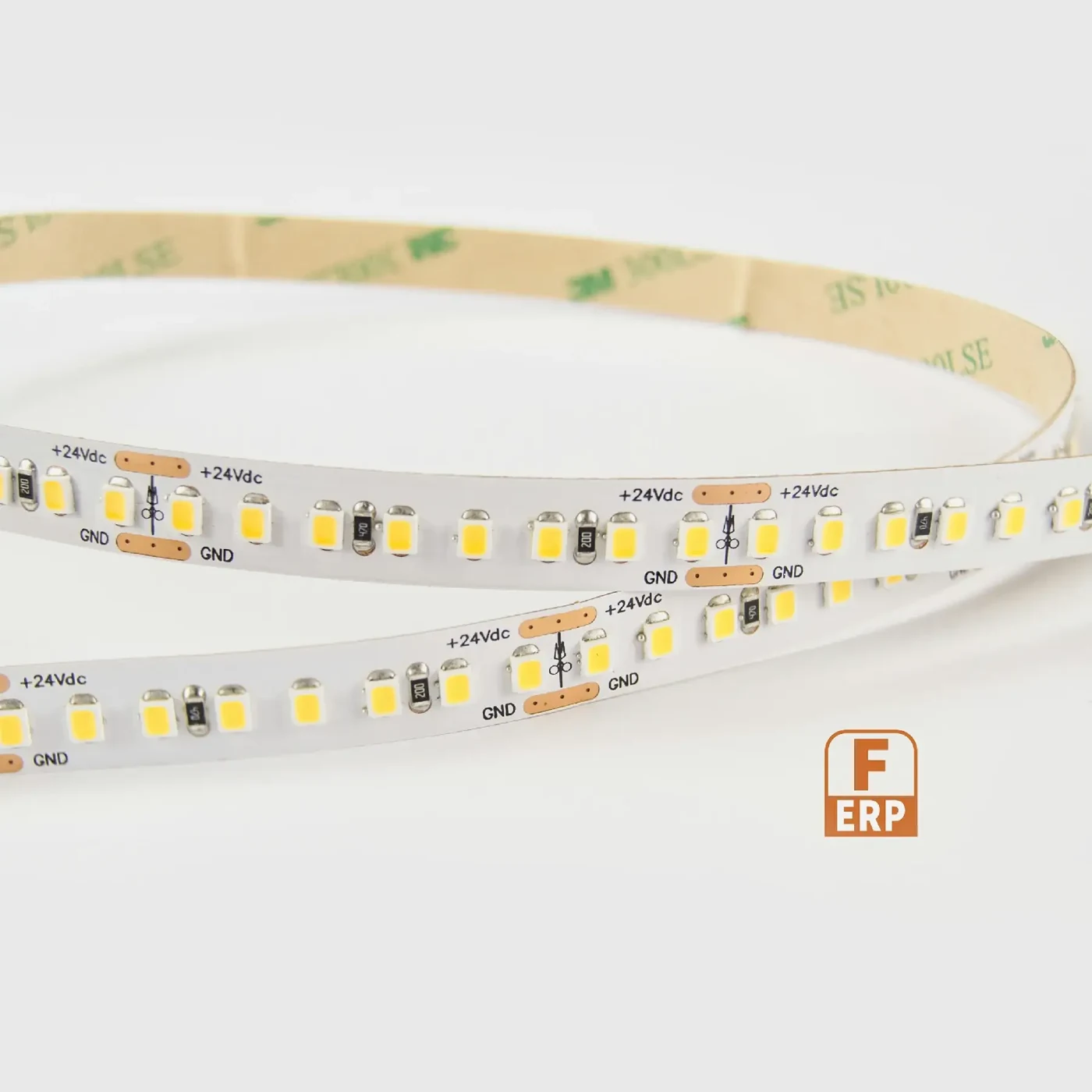
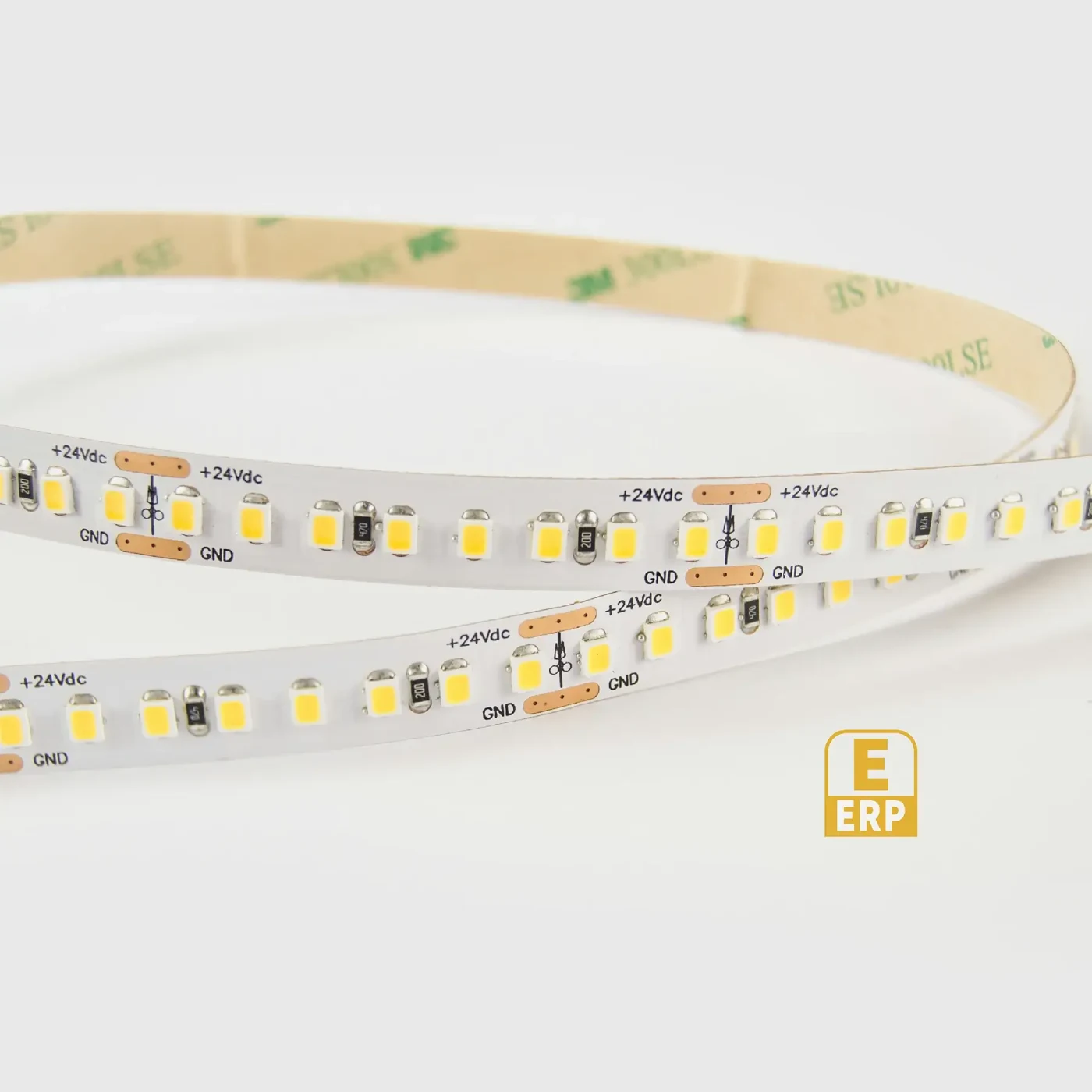
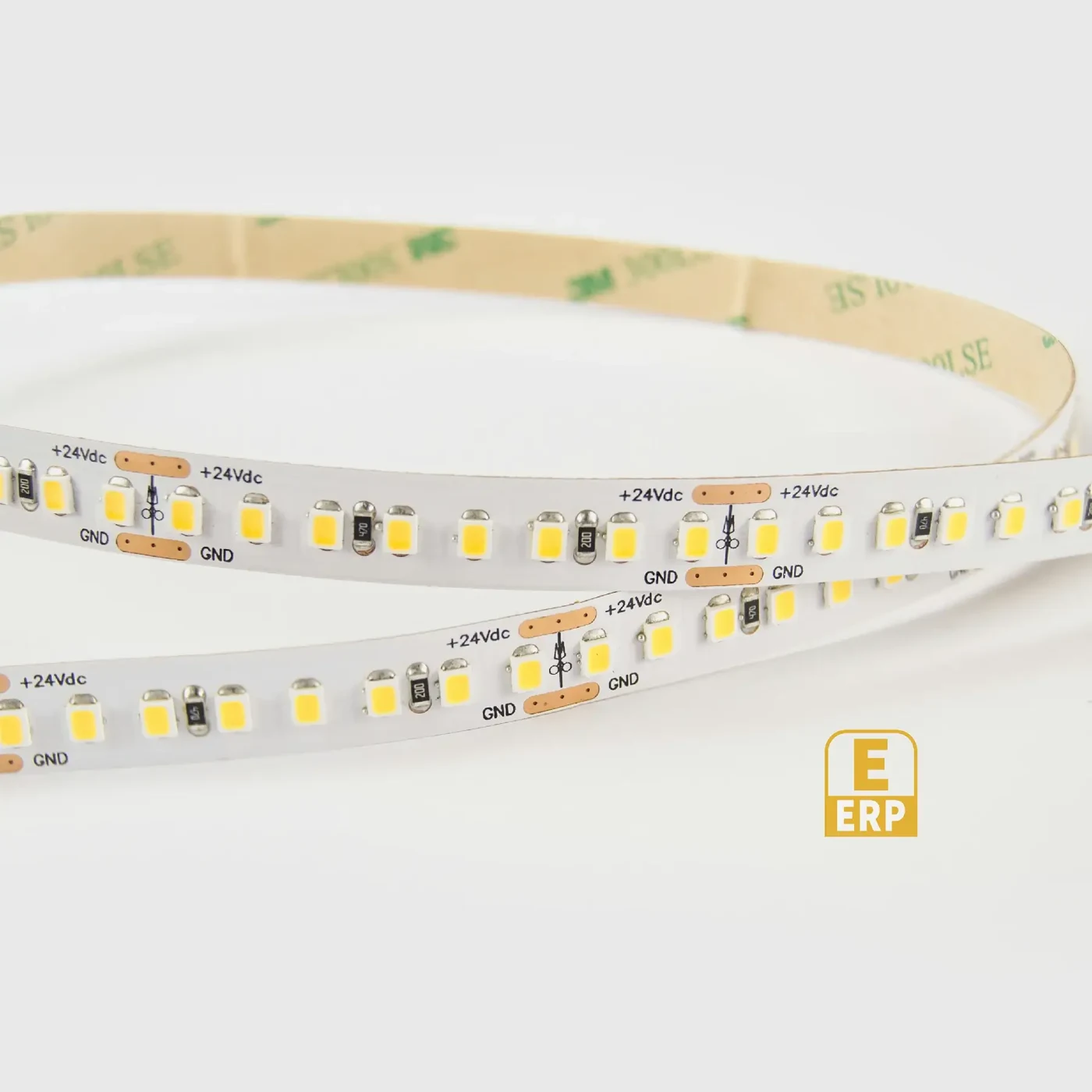
A close view of an LED strip helps distinguish the board, packages and electrical sections. Use the selected model drawing for its dimensions and cutting interval.

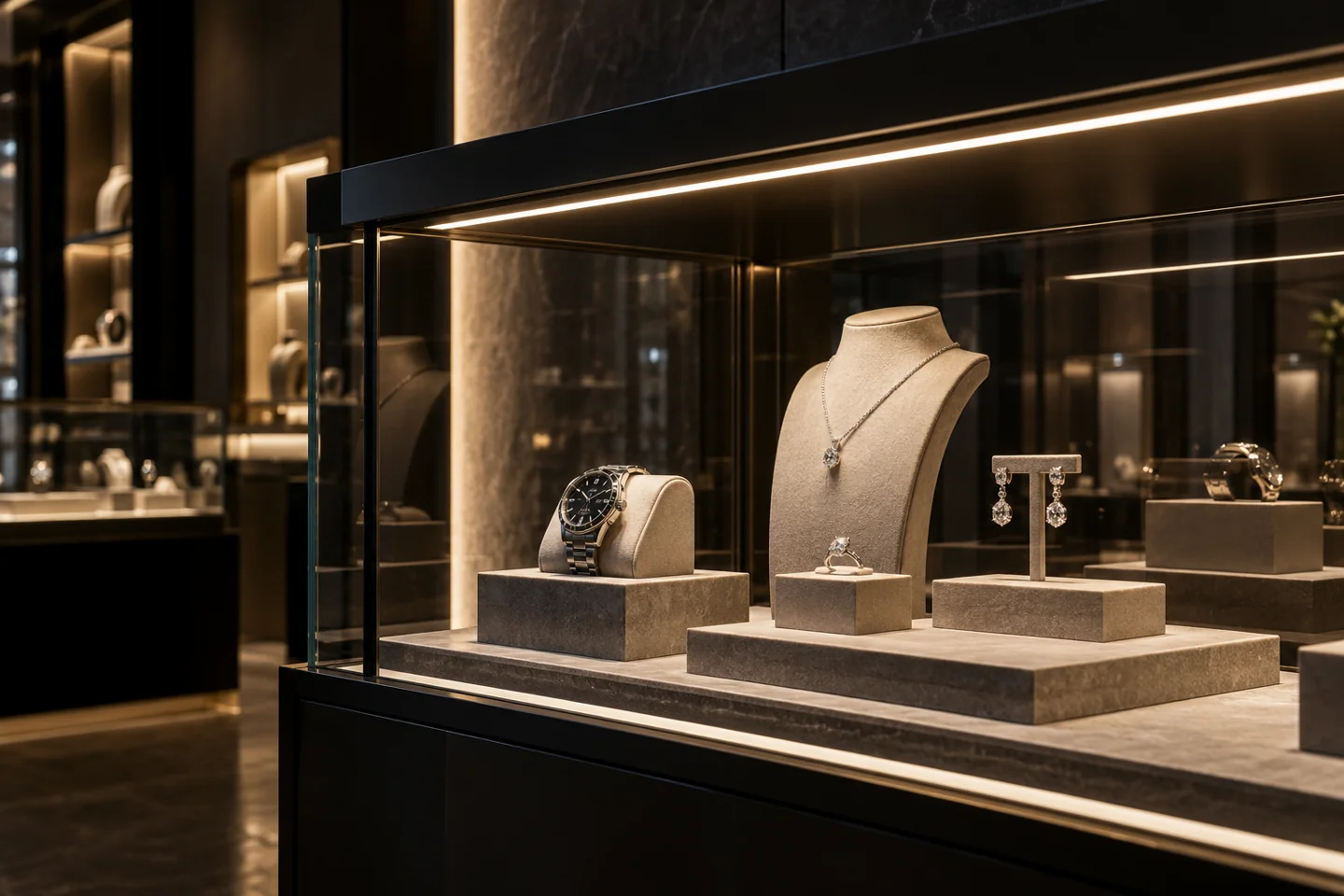
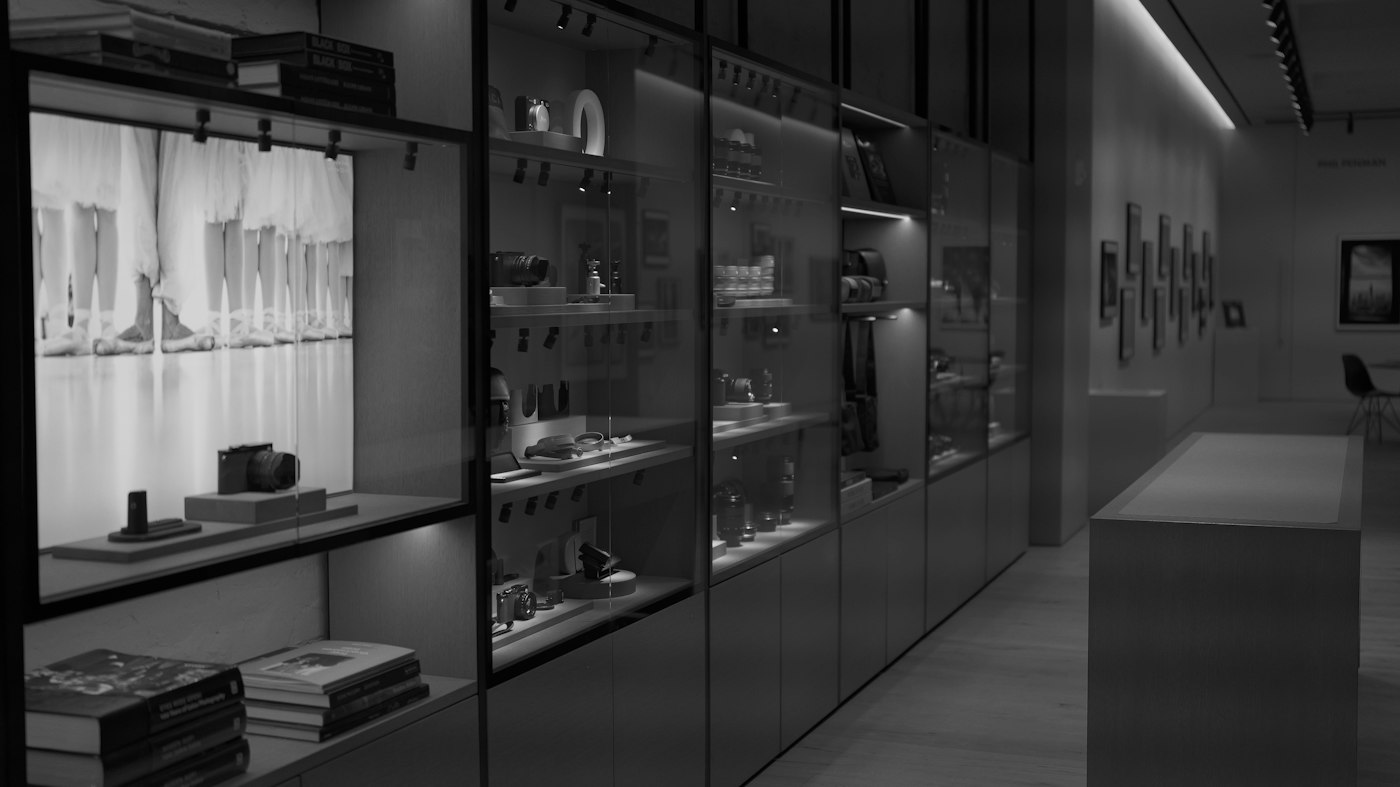
Use a representative display mock-up to agree sparkle, metal tone, reflections and visitor comfort.
Discuss this assemblyUse a representative display mock-up to agree sparkle, metal tone, reflections and visitor comfort.
Define merchandise, case depth, background and visitor sightlines. State the measurement plane for illuminance separately from the proposed colour temperature.
Coordinate sources, optics, glazing and driver access around the display supports. Evaluate actual metal and stone surfaces rather than an empty illuminated case.
Review sparkle, metal tone, reflections and visitor comfort in the mock-up. Measure against agreed conditions where required and retain positions, optics and control settings.
DESIGN DECISIONS
Jewellery lighting needs to balance brightness, sparkle, metal colour and visitor comfort. A high-lux phrase without a measurement plane says little about the actual case. The glazing, merchandise supports and normal sightlines should be present in the mock-up so reflections and shielding can be judged together.
| Decision | Required input | Review with the sample |
|---|---|---|
| Target plane | Case depth and merchandise height | Define where any illuminance requirement applies |
| Colour appearance | Actual stones, metals and backgrounds | Compare the intended white-light settings on real pieces |
| Optics | Glazing and visitor sightlines | Resolve spill and reflected sources before increasing output |
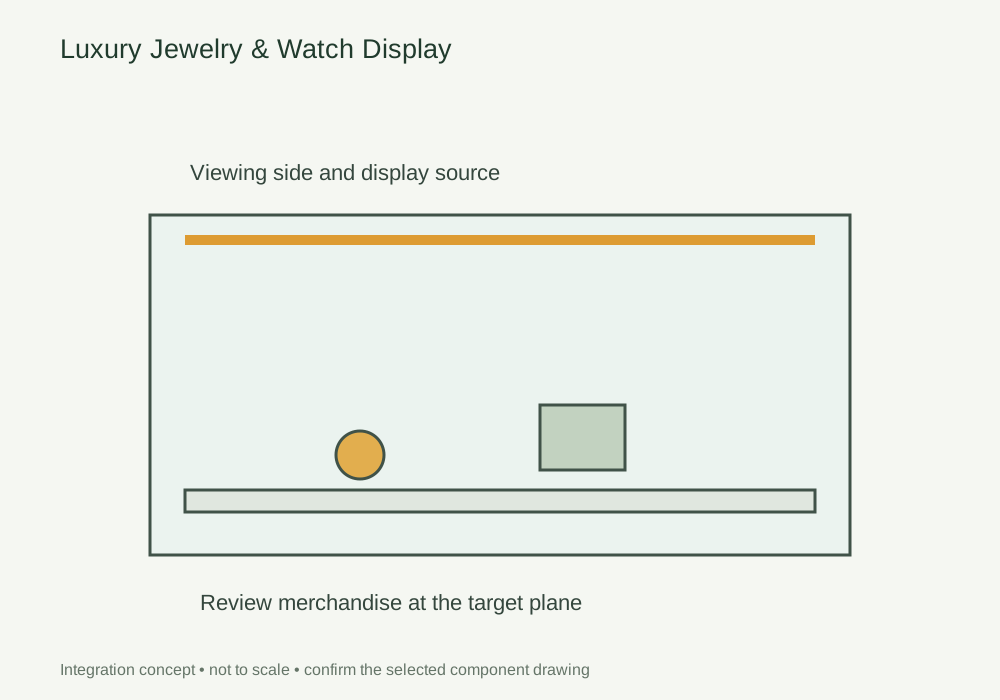
Use this concept to mark mounting positions, cable paths and service clearances on your fixture drawing. Dimensions and component references belong on the project drawing before machining.
Photographs support the adjacent selection decisions. The exact delivered components and their performance need their own drawings, documents and sample review.
A close view of an LED strip helps distinguish the board, packages and electrical sections. Use the selected model drawing for its dimensions and cutting interval.
Use these selection questions in the assembly brief. Confirm availability, compatibility and performance for the proposed configuration.
Treat CCT and target illuminance as separate design inputs, to be checked with the actual merchandise.
Request the optical distribution and verify hot spots and reflections in the showcase.
Compare the source with the fixture dimensions and intended light effect. A complete supply schedule also identifies the profile, controls, connectors and the work included in the assembly.
State the quantity basis and open decisions. A labelled assembly schedule keeps design, purchasing and installation working from the same reference.
FREQUENTLY ASKED QUESTIONS
Practical answers for the furniture drawing, sample review and purchasing brief.
Ask a project question →No. Diamond presentation, coloured stones, gold and surrounding retail light can require different decisions. Compare actual merchandise and record the approved setting.
Name the measurement plane, positions, operating settings and acceptance method. A source catalogue value is not the illuminance on the displayed object.
Use the same objects, backing, source distance and operating settings. Review sparkle, metal appearance, glare and shadows together. Record the measurement plane and selected configuration so the comparison can be repeated.
Include Drawing revision and finished dimensions, Module quantity and order basis, Source, profile and control references. Add quantities by furniture module and identify the configuration or sample already selected. This gives the drawing review a defined scope before pricing and assembly approval.
CONTINUE THE SPECIFICATION
Use the wider furniture brief to coordinate this lighting detail with adjacent modules and project teams.
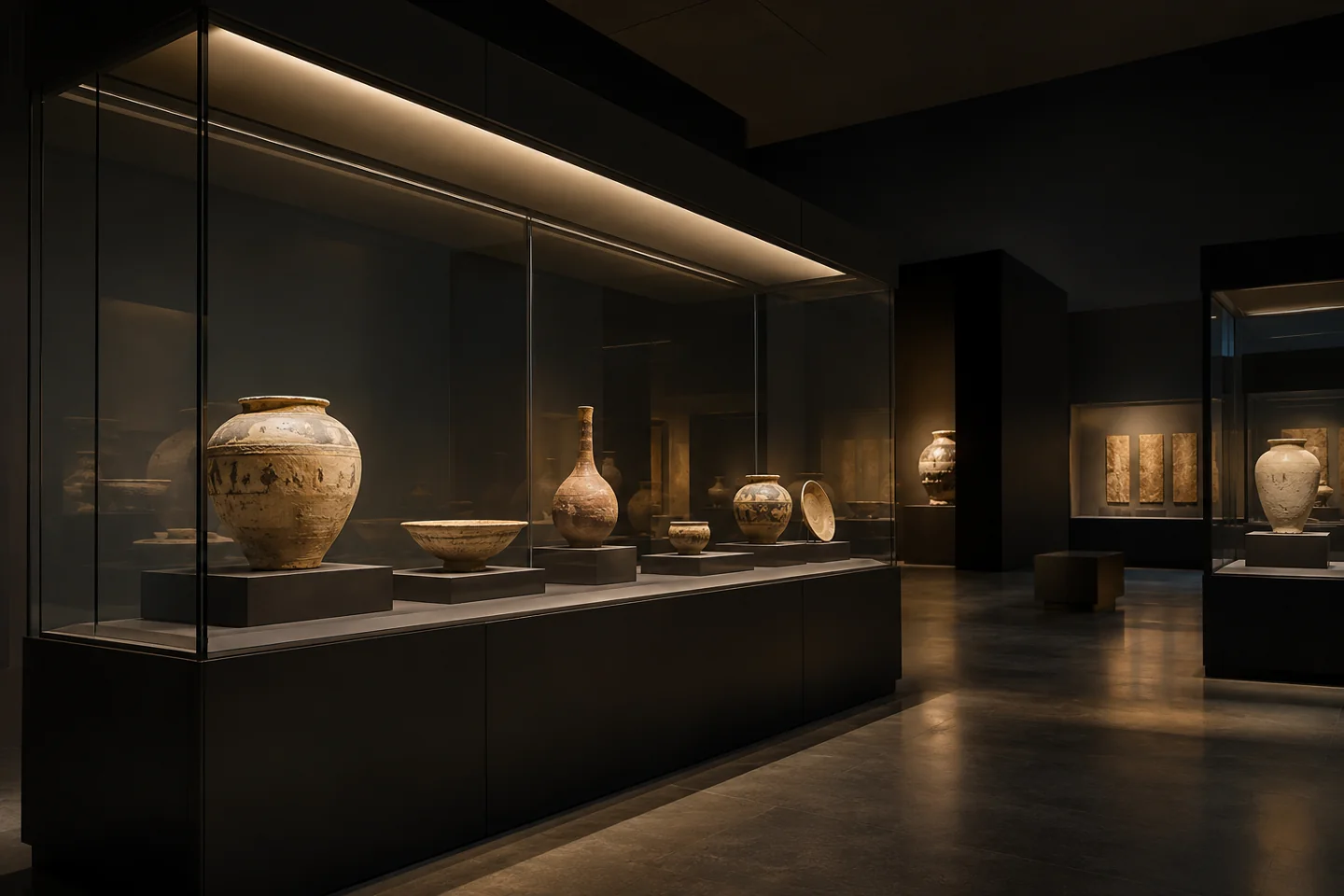
Set conservation and glare requirements with the collection team rather than inferring them from an LED label.
View the solution →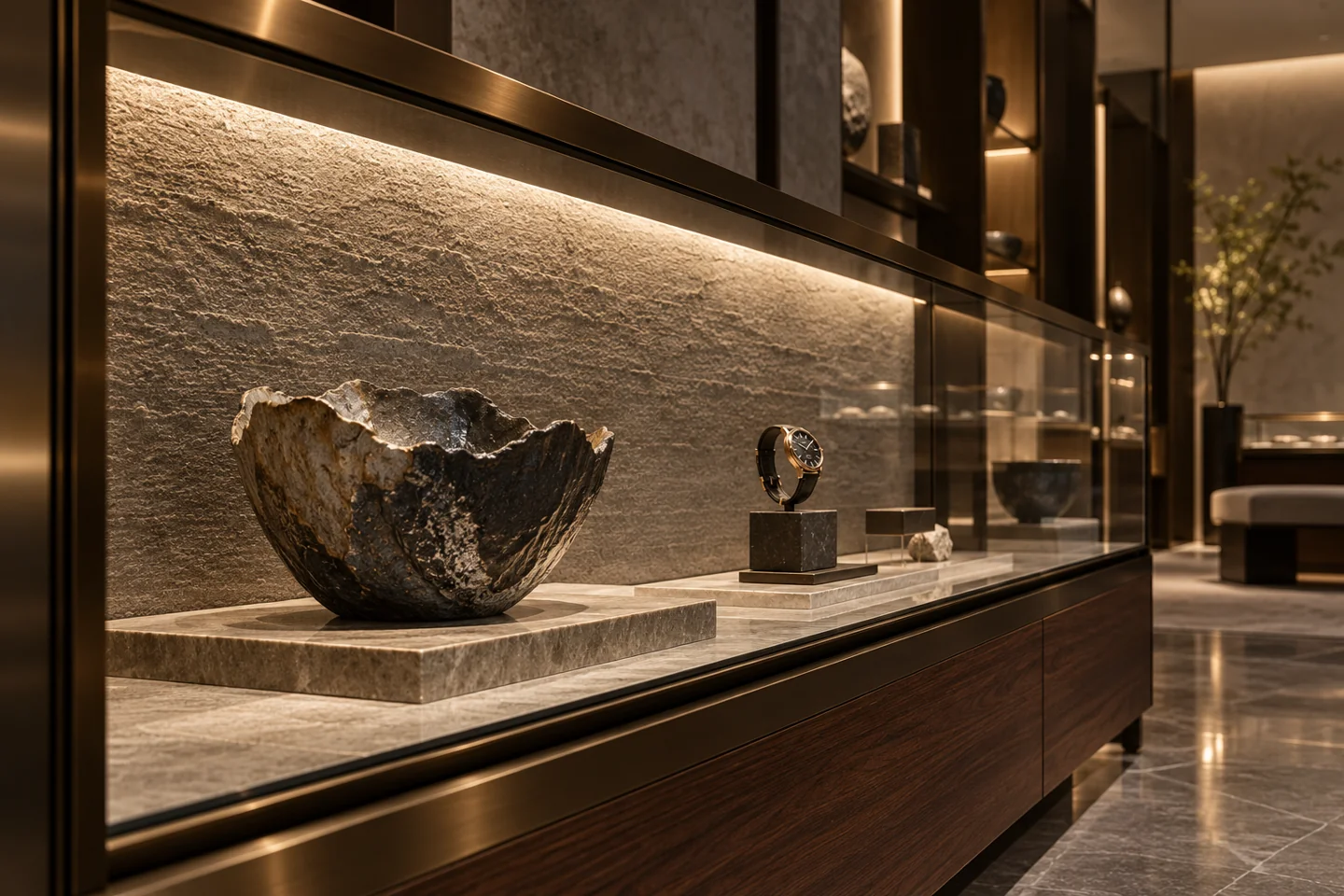
Select the optic with the source and working distance; a nominal beam angle does not establish the final distribution.
View the solution →