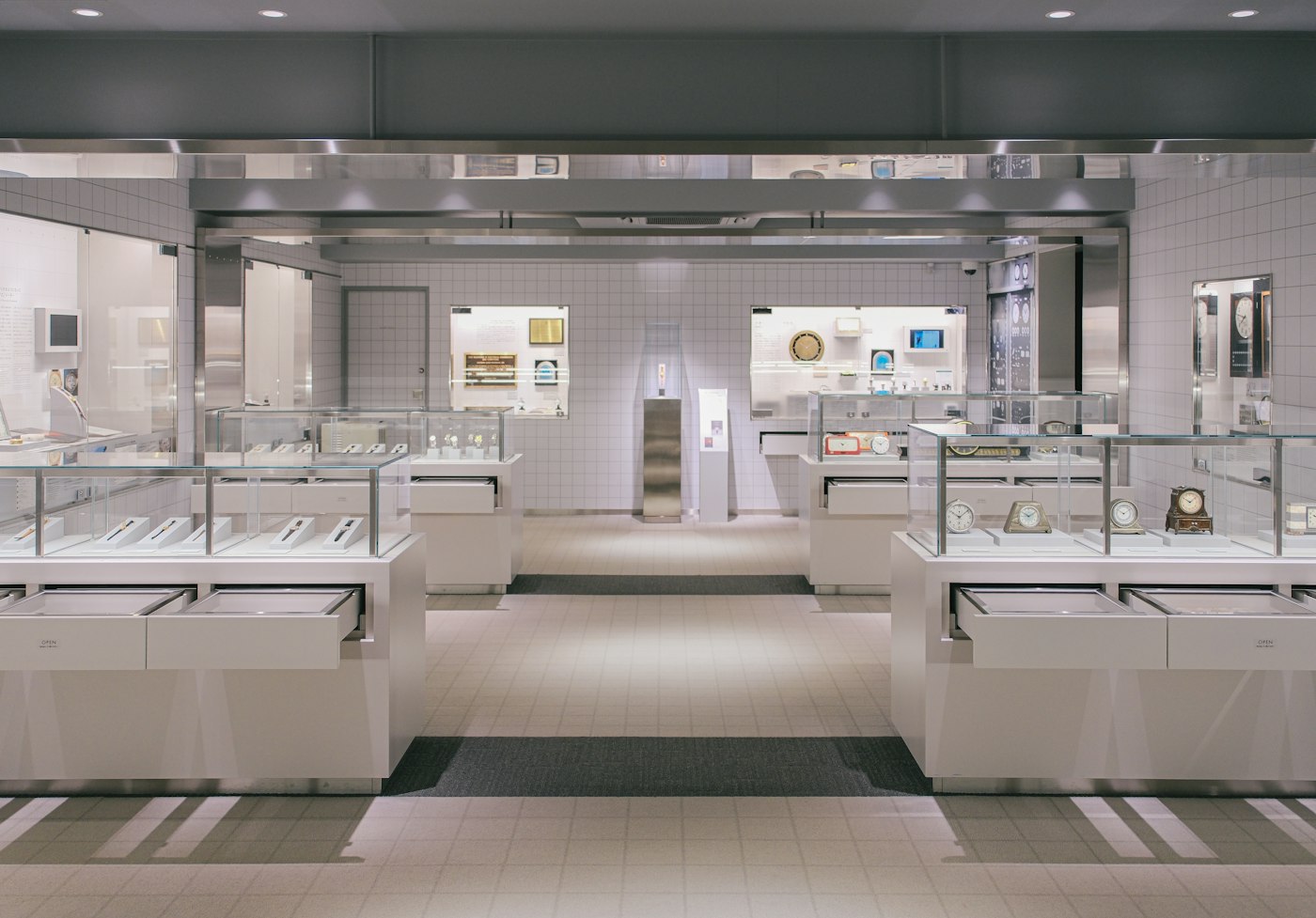
Glassware, warm backlight and reflections
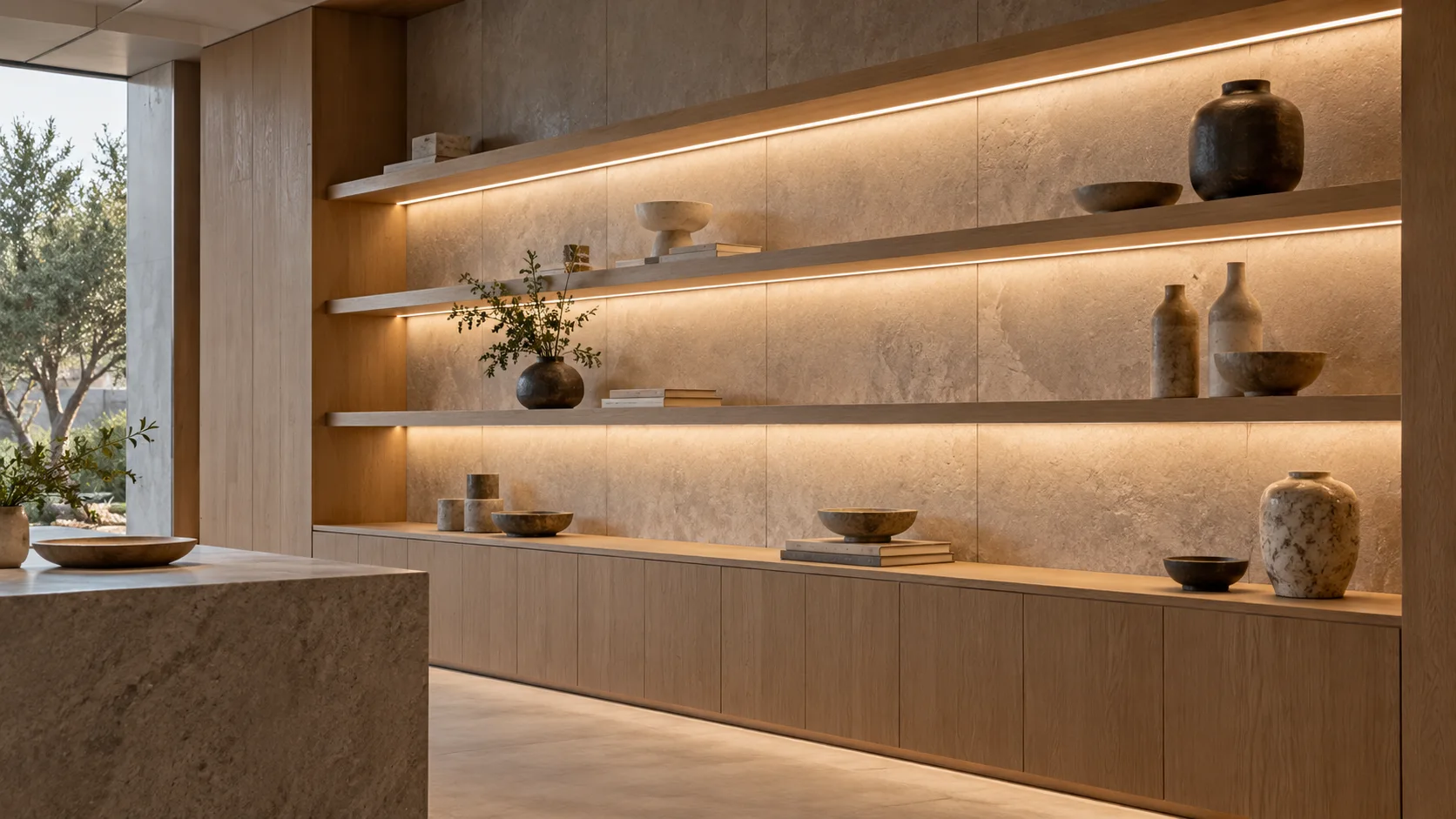
Use the real cabinet photograph to review the relationship between glass, objects and the surrounding finish. It does not demonstrate low-heat performance or a magnetic shelf power system.


Keep the light source discreet around glass thickness, shelf supports and the cabinet front.
Discuss this assemblyKeep the light source discreet around glass thickness, shelf supports and the cabinet front.
Record glass thickness, edge treatment, supports and the intended cable path. Separate the structural support requirements from the lighting attachment on the drawing.
Match clips, channel and diffuser to the finished glass and mounting method. Do not base glass machining or structural changes on a generic lighting profile sketch.
Review reflected LED images, edge hot spots and clip visibility with the actual shelf and displayed objects. Confirm cleaning access without disturbing the terminations.
DESIGN DECISIONS
Glass shelving exposes components that timber normally conceals. Clips, cable tails and reflected LED images can be more noticeable than the lighting itself. Begin with the glass specification and its structural supports, then choose how the light attaches; an aluminium light channel should not be assumed to replace the shelf support.
| Decision | Required input | Review with the sample |
|---|---|---|
| Glass interface | Thickness, edge finish and support locations | Match clips without imposing unapproved loads on the glass |
| Source shielding | Normal visitor height and glass reflections | Review the shelf empty and with bottles or glassware in place |
| Cable exit | Shelf supports and side-panel section | Resolve the route before glass machining is released |
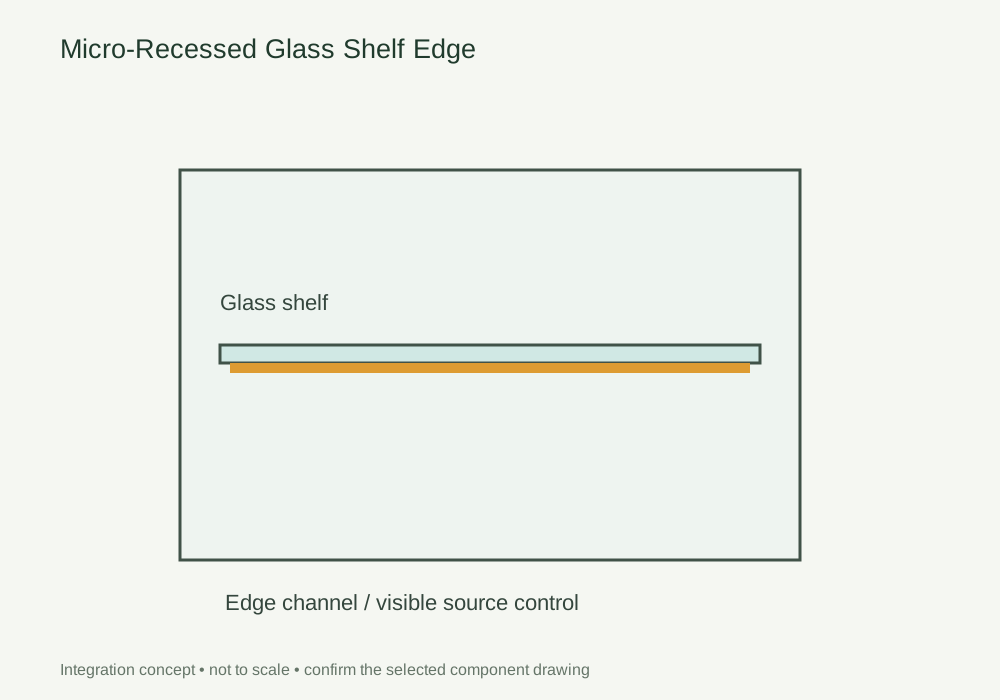
Use this concept to mark mounting positions, cable paths and service clearances on your fixture drawing. Dimensions and component references belong on the project drawing before machining.
Photographs support the adjacent selection decisions. The exact delivered components and their performance need their own drawings, documents and sample review.
Use the real cabinet photograph to review the relationship between glass, objects and the surrounding finish. It does not demonstrate low-heat performance or a magnetic shelf power system.
Use these selection questions in the assembly brief. Confirm availability, compatibility and performance for the proposed configuration.
Coordinate the recess and the support detail; do not machine glass from a generic profile sketch.
Review the clip, diffuser and visible source pattern on a representative shelf.
Request a model-specific colour rendering report for the required CCT before specifying CRI95+.
Compare the source with the fixture dimensions and intended light effect. A complete supply schedule also identifies the profile, controls, connectors and the work included in the assembly.
State the quantity basis and open decisions. A labelled assembly schedule keeps design, purchasing and installation working from the same reference.
FREQUENTLY ASKED QUESTIONS
Practical answers for the furniture drawing, sample review and purchasing brief.
Ask a project question →No. Finished glass thickness, clip geometry, edge treatment and structural support all matter. Confirm the exact interface before specifying a section.
Compare the channel position, diffuser and shield using the actual glass. A photograph cannot predict the reflected source from all normal viewing angles.
Only if that structural role is expressly established for the selected hardware. Keep the glass support and lighting attachment specifications separate. Check glass thickness, edge treatment and cable routing against both.
Include Drawing revision and finished dimensions, Module quantity and order basis, Source, profile and control references. Add quantities by furniture module and identify the configuration or sample already selected. This gives the drawing review a defined scope before pricing and assembly approval.
CONTINUE THE SPECIFICATION
Use the wider furniture brief to coordinate this lighting detail with adjacent modules and project teams.
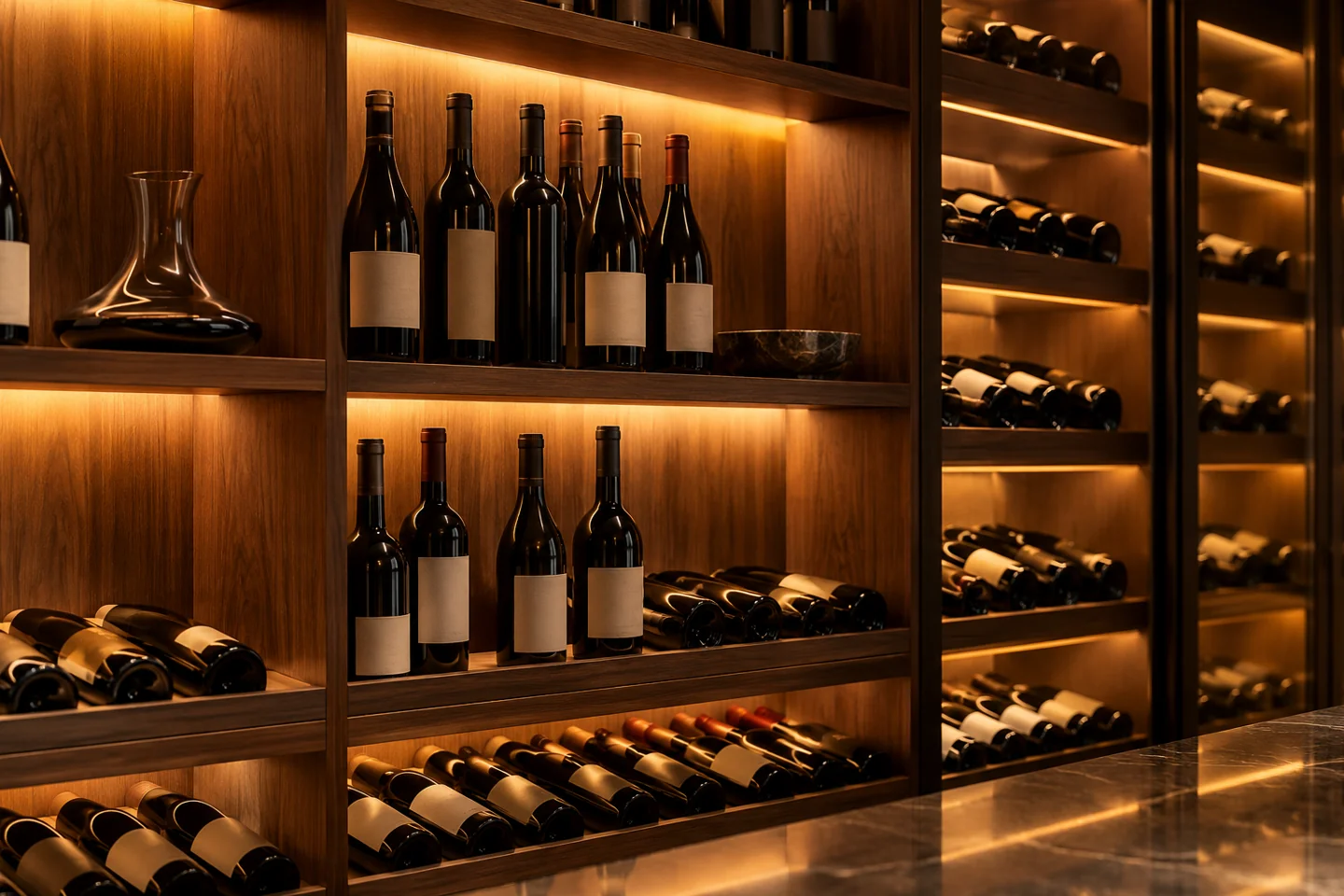
Balance label readability and the cabinet finish with the permitted temperature conditions around stored bottles.
View the solution →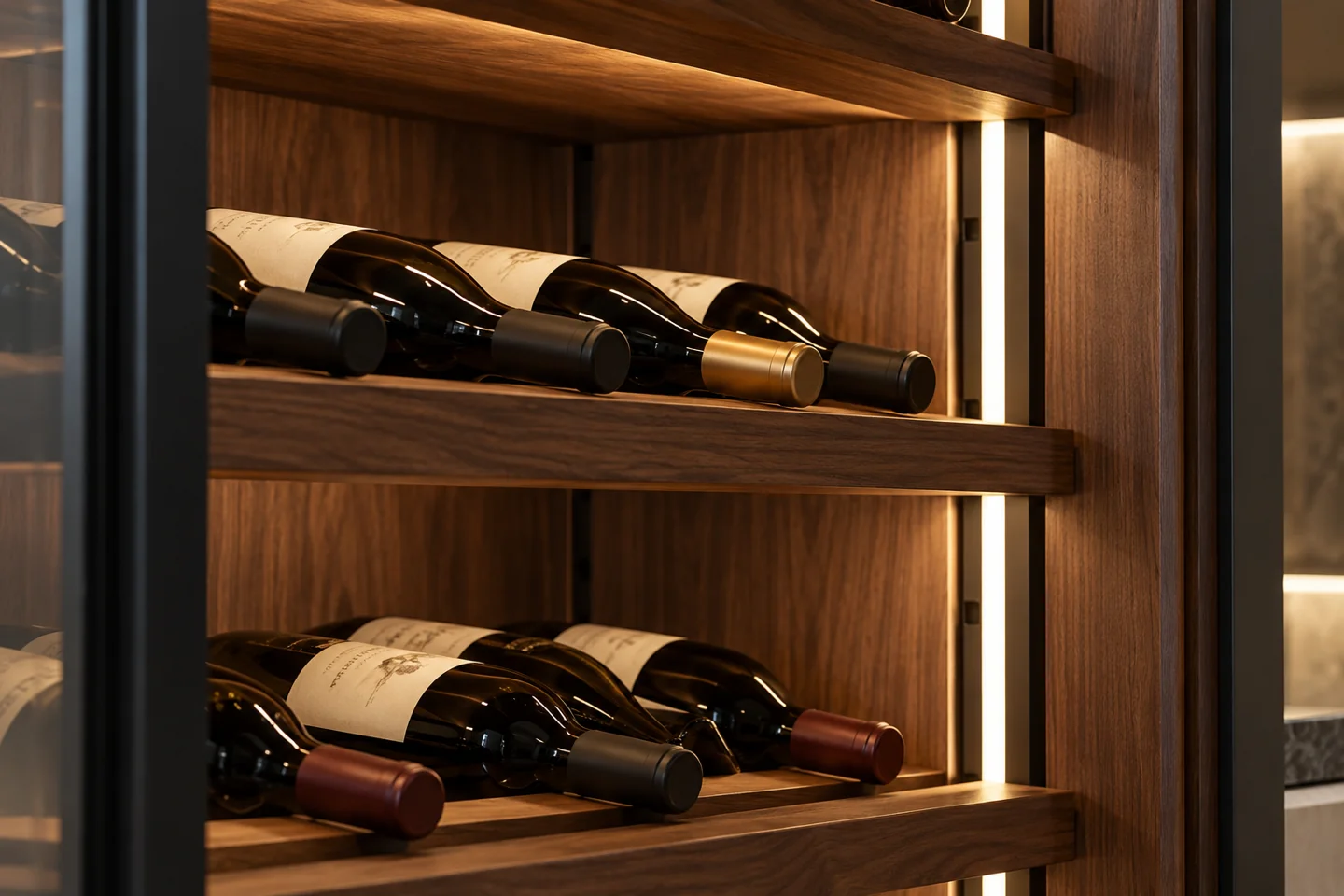
Coordinate shelf movement with the power interface. An apparently cable-free shelf still needs an identified electrical path.
View the solution →